I was in fifth grade. My father, brother, and I went to the local video store while we were waiting for our Mountain Mike’s Pizza order to be finished up. I wandered off down the video store aisles when I stumbled upon a VHS tape with a blond woman making a provocative face on the cover of one of the tapes and I immediately became hypnotized. I was not shocked by her, I did not want to be her, I wanted to touch her. At that time, I had crushes on boys and sought their attention, in part because it is what my friends did and is what I knew girls my age were supposed to do, but I had never felt this feeling- physical attraction. I did not understand my reaction to this image, so I covered it up and tried to not think of it again, pushing the dreading thought that I might be different, that I might be a *gasp* lesbian, from my head every time it entered.
No one in my immediate or extended family were openly queer. Neither were any of the adults I interacted with in school or at my friends’ houses. And, coming up first in Southern Baptist churches, then non-denominational churches, I learned from an early age that being gay was wrong, even though I did not really understand what “gay” even was.
My family and I used to watch Ellen together regularly– not the talk show, but her sit-com that used to come on ABC. I remember the episode when Ellen came out, “The Puppy Episode”, and the backlash that followed leading to the eventual canceling of her show. Though later it was revealed that the episode was very popular, I was in 6th grade and Ellen was the first out lesbian I had ever knew, albeit through watching her scripted show from week to week, and now she was being punished for being gay. If I were concerned about being a lesbian before, I became determined to not be one after Ellen was canceled.
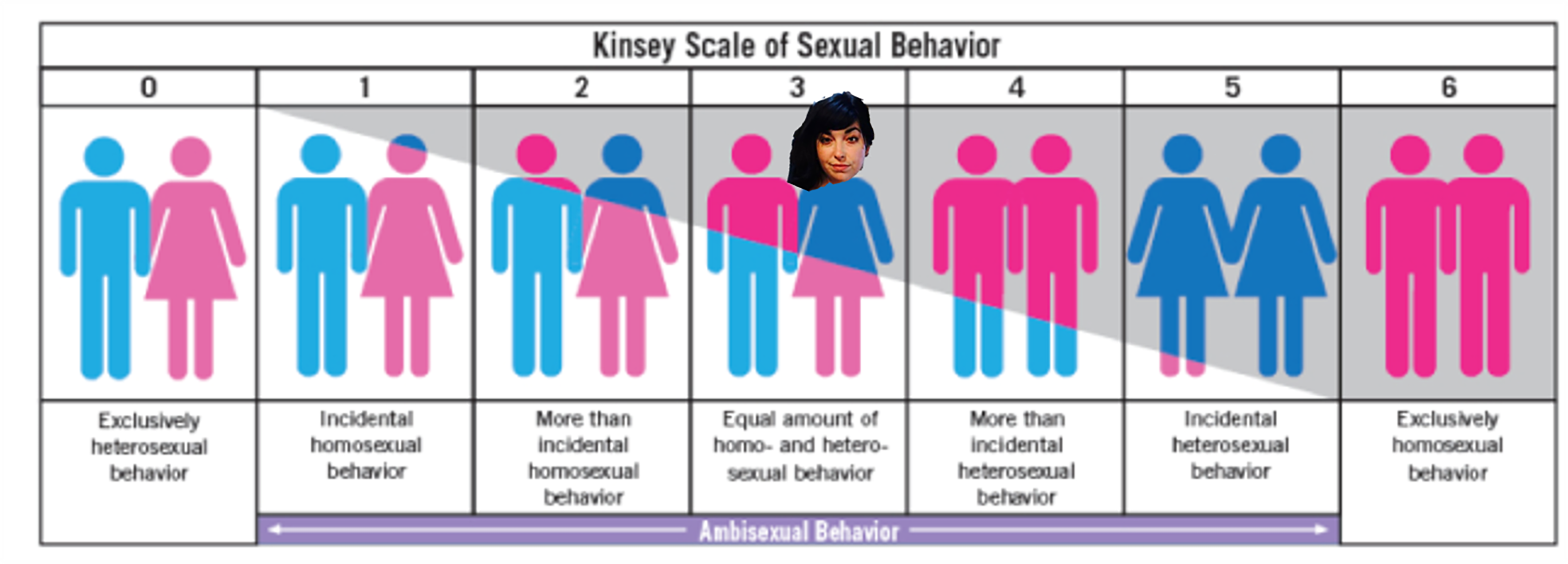
By sixth grade, I had started to be physically attracted to boys in my grade, so it was easier to ignore attraction I felt for girls, to brush it off as me just being jealous or wanting to be pretty like them. Later in middle school, I want to say around 7th or 8th grade, I learned the term “bisexual” and what it meant to be bisexual. You’d think that I would be happy to put a name to the feelings I had been having, but I wasn’t. Learning the term felt like a punch to the gut. I immediately recognized myself as bisexual which, to my middle-school brain, meant I was weird, I wasn’t like everyone else, that something was wrong with me. Even though my feelings now had a name, I did what I had been doing since fifth grade- ignoring, and sometimes hiding, my attraction to women, and passing myself off as straight.
It was not until the middle of high school that I finally made peace with my attraction to women. Maybe it was the fact that a number of my male friends were brave enough to come out of the closet. Maybe it was being deeply entrenched in Drama and theater- that old refuge for queer people, for gender non-conformers, for nerds, and weirdos. Maybe it was that T.A.T.U’s “All the things she said” was playing on repeat on MTV. Maybe it was all of these things, but I finally decided to stop ignoring how god damn hot women are. Shortly after breaking up with my first boyfriend, who I had met at church, I started dating my first girlfriend (She is still the only person to ever dump me). I started coming out as bisexual to my close friends, though it took me many more years to come out to my family. I thought I had finally found my place in the world, and that things would be easier now that I was being true to myself and those around me.
I was wrong.
When explaining my bisexuality to straight-identified friends and family, I often *not always* had to defend myself, the legitimacy of my orientation, and me even bothering to come out. I’ve heard “Why are you telling me this? You’re dating a man.”, “Is it even ‘coming out’ if you’re just bisexual?”, and a lot of “Oh, me too. I think. Do you know that [insert currently popular hot androgynous woman actor or musician]? I think she is so hot. But I’d never sleep with a woman, vaginas are gross.” Thanks, Susan, for simultaneously co-opting my sexual orientation and reaffirming your straightness.
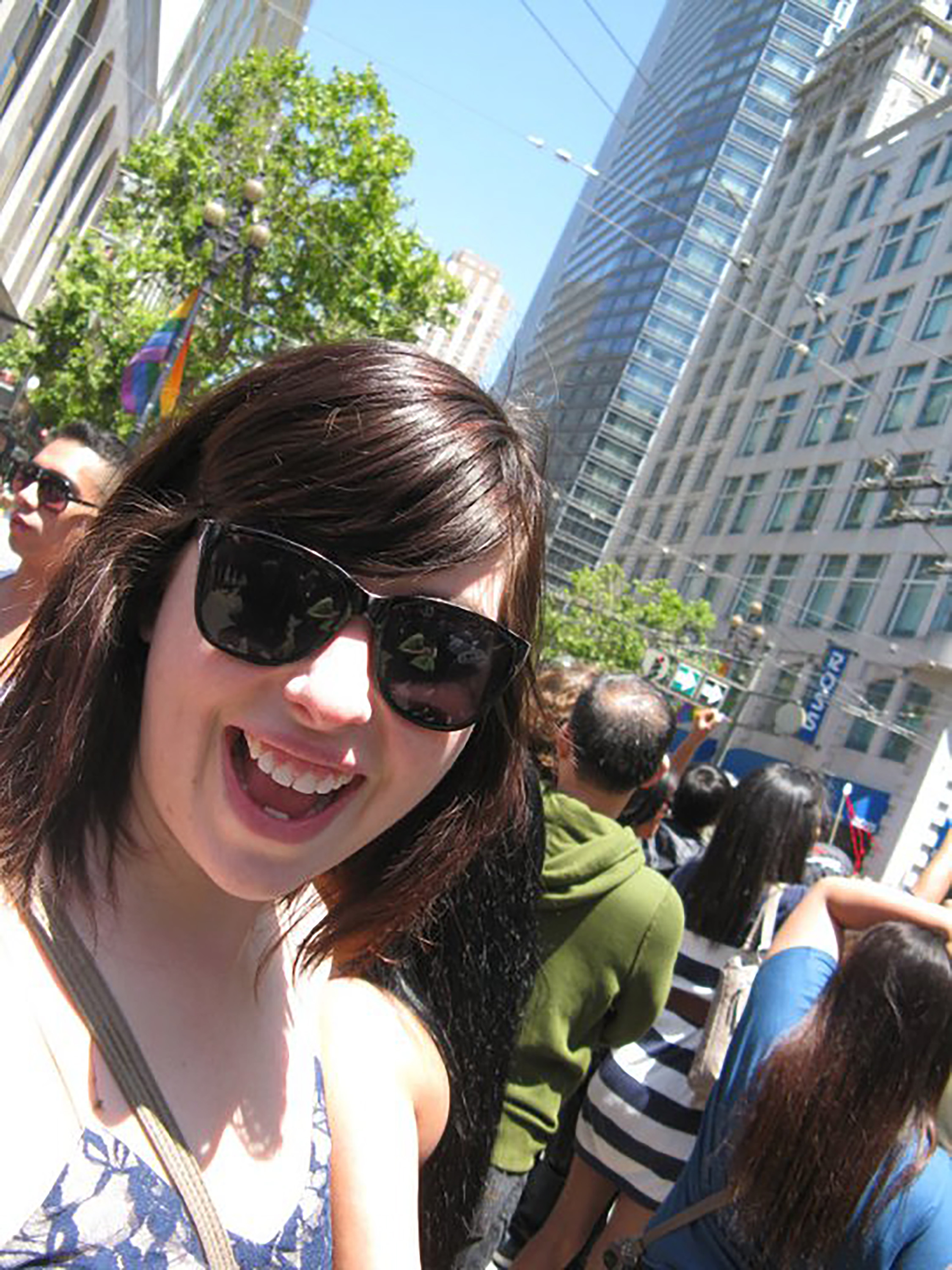
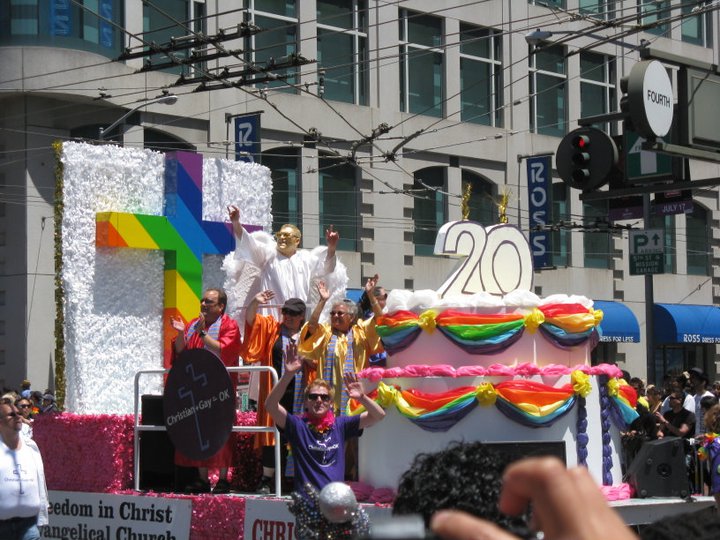
Trying to gain acceptance in the LGBTQ+ community is not much easier. As you will hear from many in the “BTQ+” part of the community, the “LG” members can be very exclusionary. I’ve heard “Aren’t you too old to still be in that phase? Pick a side.”, and “Bisexual? Oh, that doesn’t count.” It is common knowledge that many lesbians are weary of dating bisexual women, citing the same stereotypical shit we get from straight people- bisexuality is just a phase, and they don’t want to be your “lesbian experiment” before you inevitably leave them for a man. (Umm, I work at an LGBTQ bookstore and I am talking to you AT A GAY BAR, I am not confused about what I like). I have watched the interest drain from a lesbian’s face I’ve been chatting up when I say that I am bisexual. So, for much of the early 2000’s I found myself a woman without a home: not straight enough to be accepted by the straight community, and not “gay enough” to be accepted by the LGBTQ+ community.
But things are getting better. Much better.
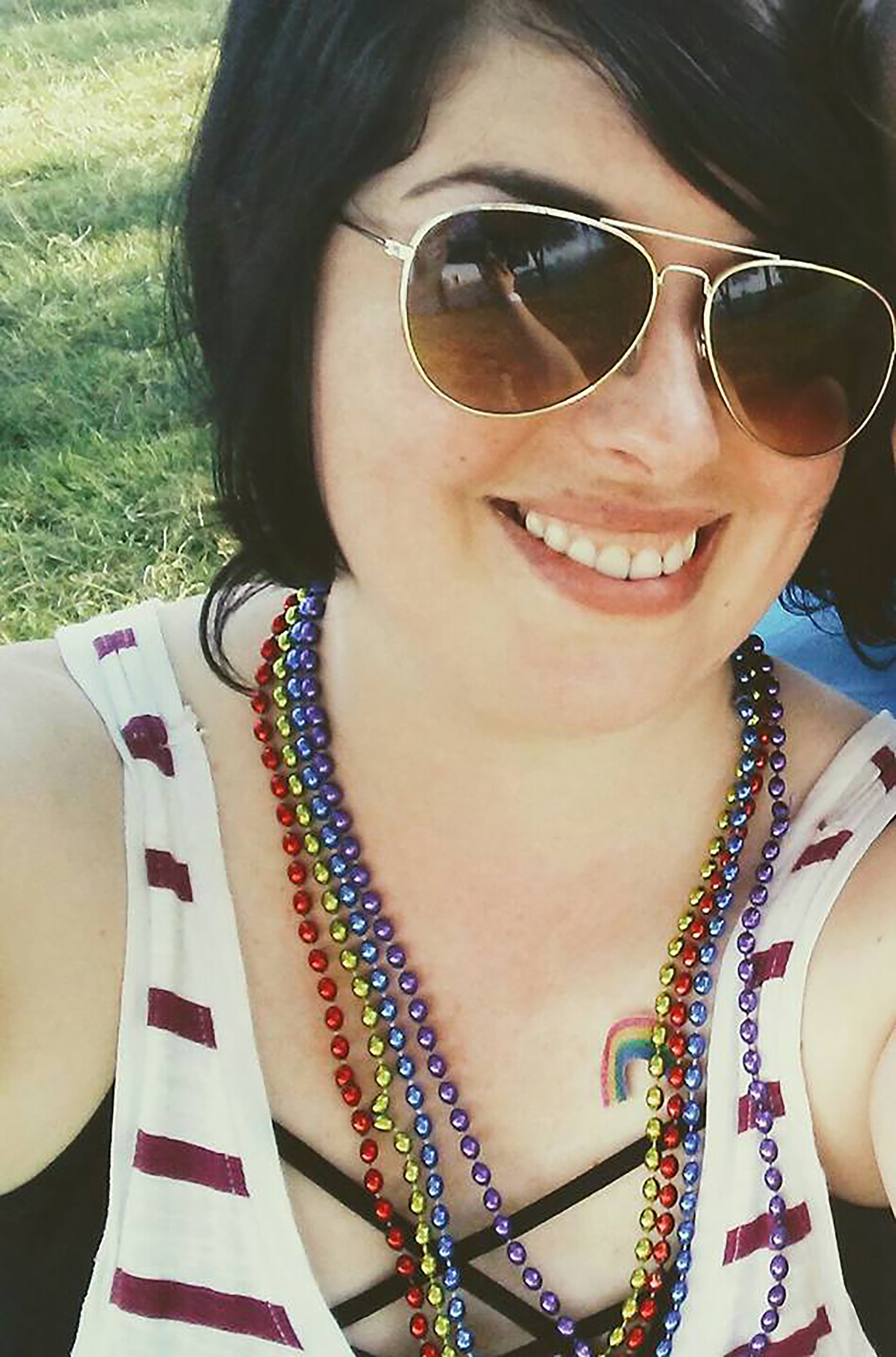
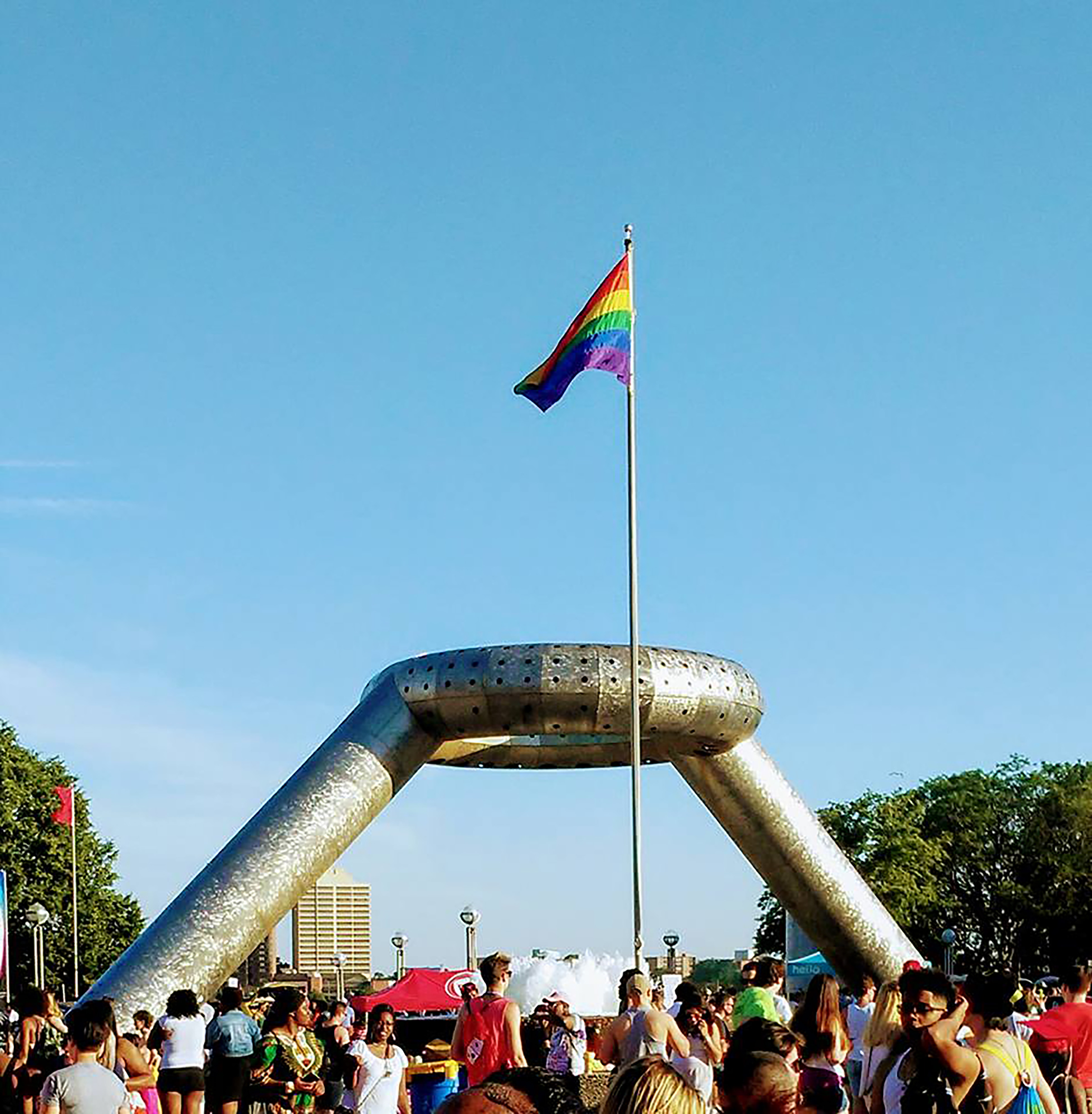
I am not terribly old by any means but already the younger queer generation and younger generation more broadly is more accepting of your B’s, your T’s, your Q’s and everything in between. Even the term “bisexual” is being sort of phased out, due to it implicitly assuming there are only two genders and being replaced by the term “pansexual” which means being attracted to multiple genders. I know instances of 11 and 12-year olds being open and out about their bisexual or pansexual orientation and their classmates not batting an eye. Bisexual visibility has never been higher in my lifetime than it is right now. Bisexual characters are featured in everything from Doctor Who to Brooklyn 99. But there is still room for improvement, and you, dear reader, can make sure to do your part.
If you are gay or lesbian, don’t question or write off the legitimacy of other queer orientations. Be role models for the young queer people coming up. If you identify as bisexual or pansexual or queer, like actually identify, come out if it is safe for you. Even if you are in a hetero-appearing relationship. It is important for our visibility and for the queer community more broadly that we not hide behind the assumption of straightness. If you identify as straight, accept and champion your queer friends and family. Try not to assume everyone is straight and act accordingly. And be an ally- it is a super important job.
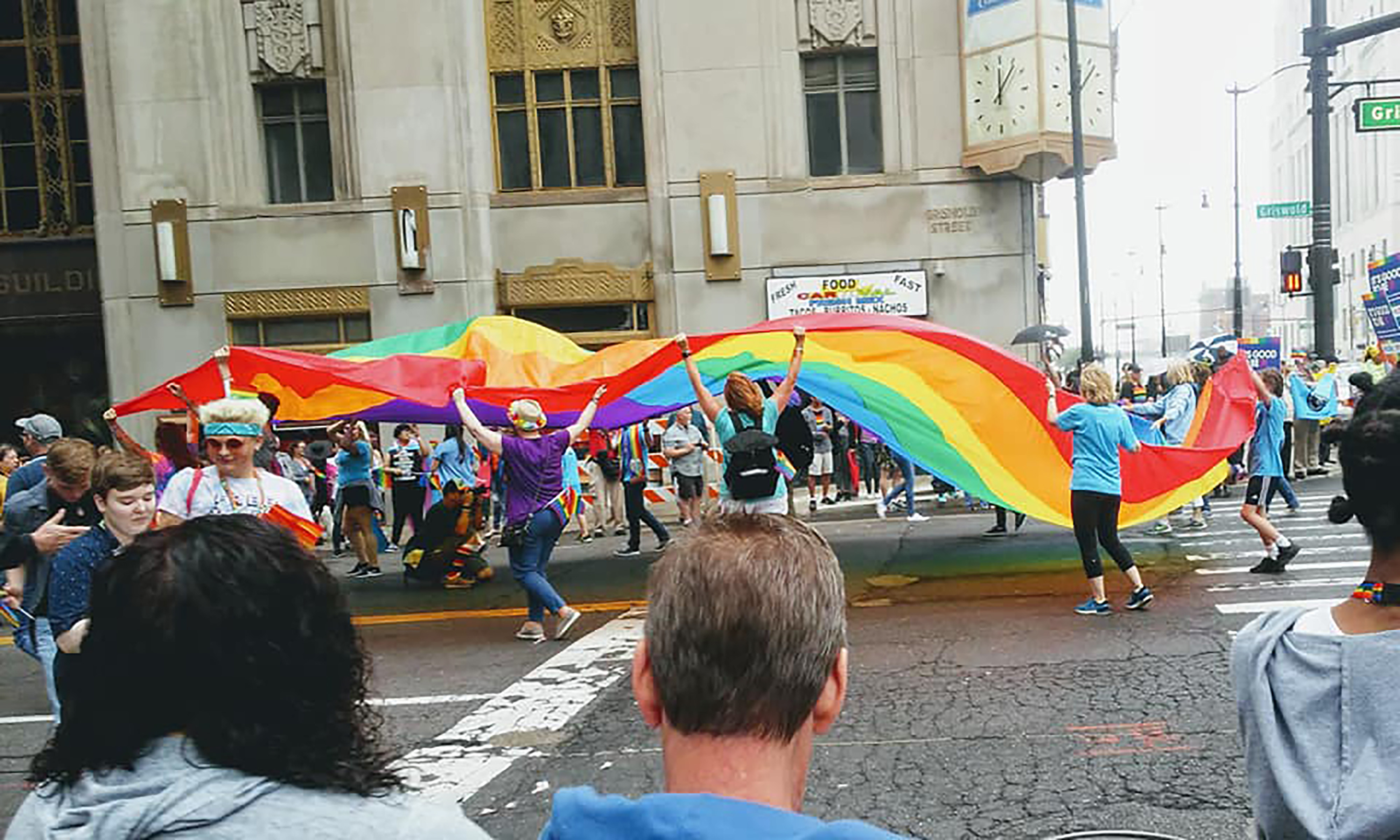
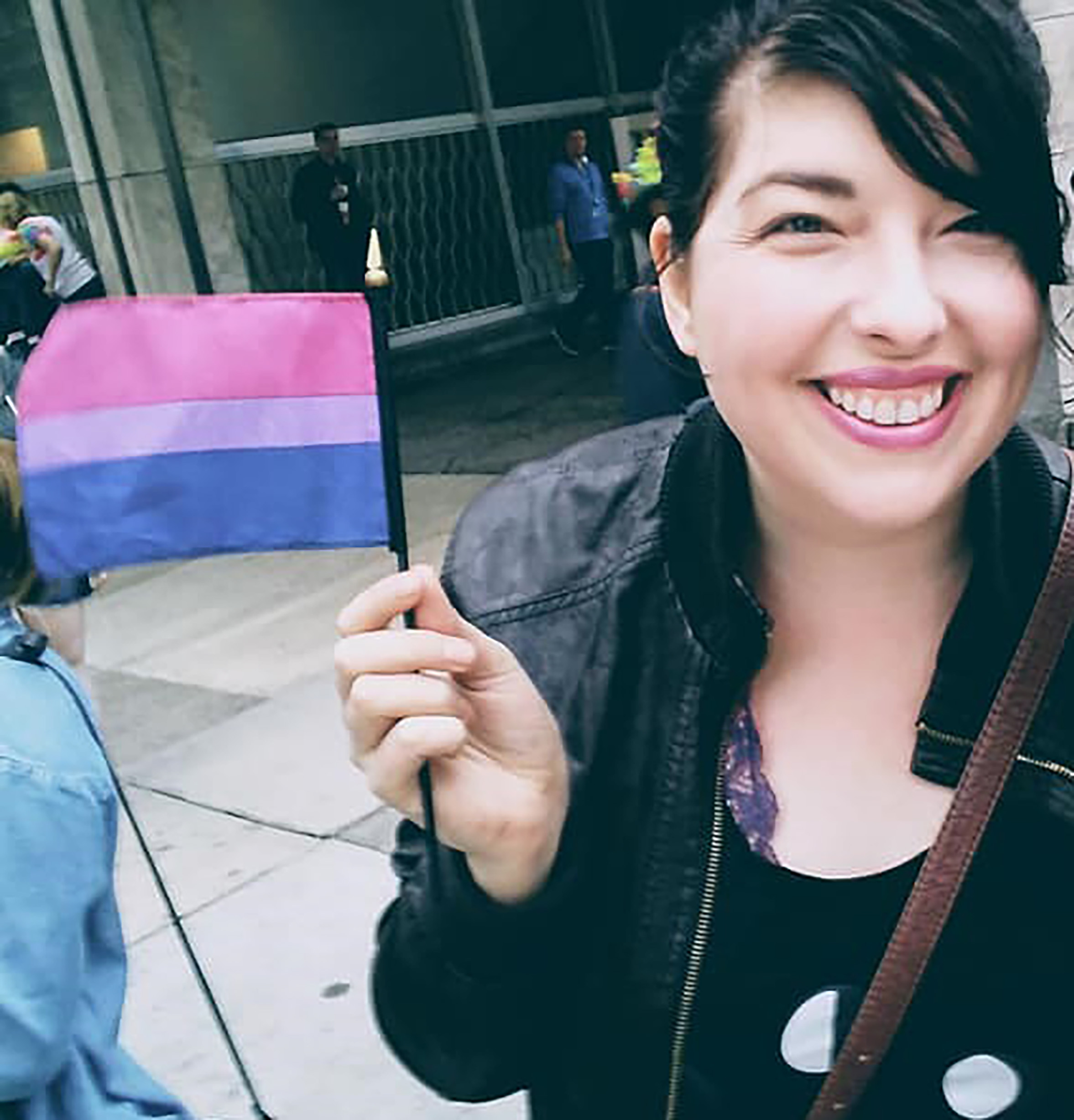
Finally, I know there will be people who disagree with this last one, if you are straight, but have had a queer experience (e.g., making out with someone of the same gender, being attracted to someone of the same gender), try not to equate your experience or identity with that of a queer-identified person- especially when they are coming out to you. I think many who do this have their heart in the right place and that is important, and your support is appreciated. But to me, what seems like a well-intentioned attempt to relate can feel as if someone is equating their identity with ours. Especially considering bisexuals’ struggle to gain recognition in the queer community, when straight people identify a limited queer-ish experience in an otherwise straight life with bisexuality, it reinforces stereotypes we are working to shed.
I want to be clear: I am not trying to say that people can’t identify as straight and have different and complex sexual and loving experiences. Sexual orientation is a spectrum and despite its name is not just about who you are attracted to or have sex with. And, I am not telling people how to identify or that they can’t identify as questioning…I mean that is the second Q in LGBTQQ after all.
I’ll wrap up by saying thank you. Thank you to the people who came before me, who fought, who were beaten, who were arrested, who died, to stand for equality. It is because of you I am able to write this this blog. It is because of your tears and work and perseverance that I am able to publish this on a public website and not worry about losing my job or my ability to adopt a child. Thank you. Thank you. Thank you.
* This is a personal journey story- chalk full of run on sentences and rants that go nowhere. It is not meant to express a universal “queer experience” because that doesn’t exist. Also, I use the term queer throughout which I understand is still a challenging term for some who grew up having that term thrown at them from a place of hate. I’m of the mind that we are reclaiming the term, and the term serves a valuable function in that it is an umbrella term that can replace the ever-growing string of letters that still divides us into our own camps (LGBTQQIA, etc.)
 Creative Collective